Best Dynamic Stretches & Exercises
Explore the best dynamic stretches to improve range of motion before or after a workout.
Recovery Categories
Dynamic Stretches Workouts
Frequently Asked Questions About Dynamic Stretches
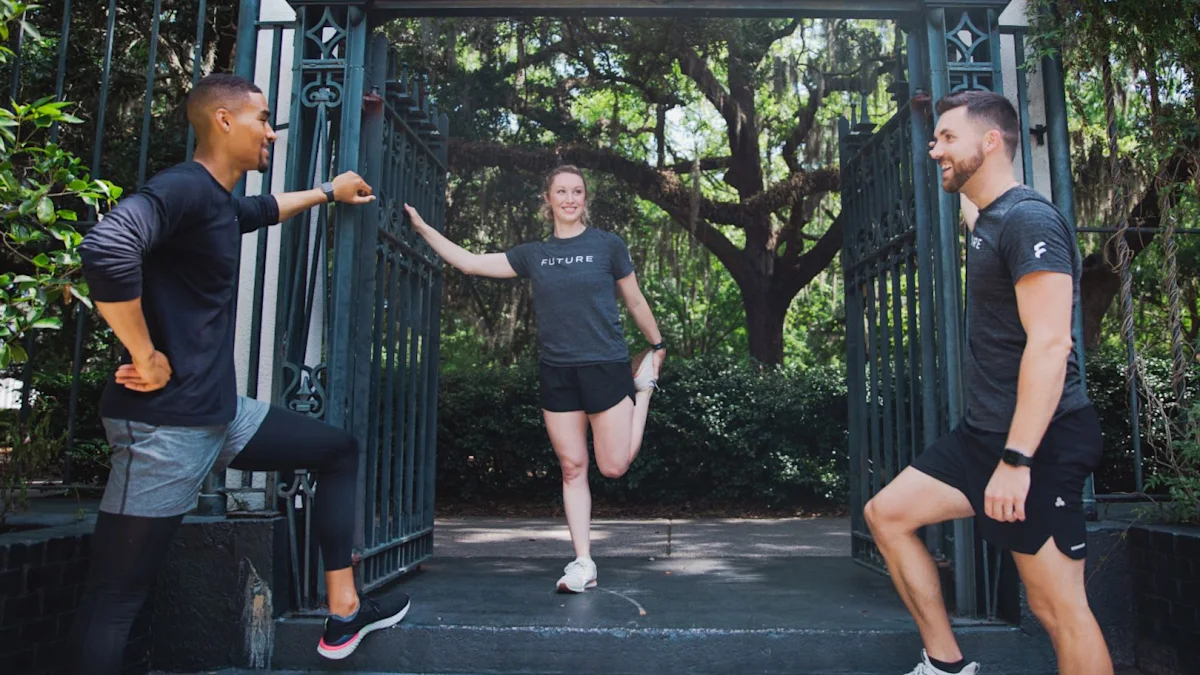
Dynamic stretches are active, controlled movements that take your joints through their full range of motion. Unlike holding a stretch still, dynamic stretching involves continuous movement. This is crucial because it increases blood flow, lubricates the joints, and "wakes up" the nervous system, preparing your body for activity without relaxing the muscles too much.
It's best to perform them before working out. Think of dynamic stretching as a "rehearsal" for your workout—it primes your muscles and joints for the specific movements you are about to do. Save the static (holding) stretches for after the workout to cool down and improve long-term flexibility.
By actively moving a sore muscle through its range of motion, you pump fresh, oxygenated blood into the tissue. This circulation helps flush out metabolic waste products that contribute to stiffness. It is a form of "active recovery" that is often more effective than just sitting still.
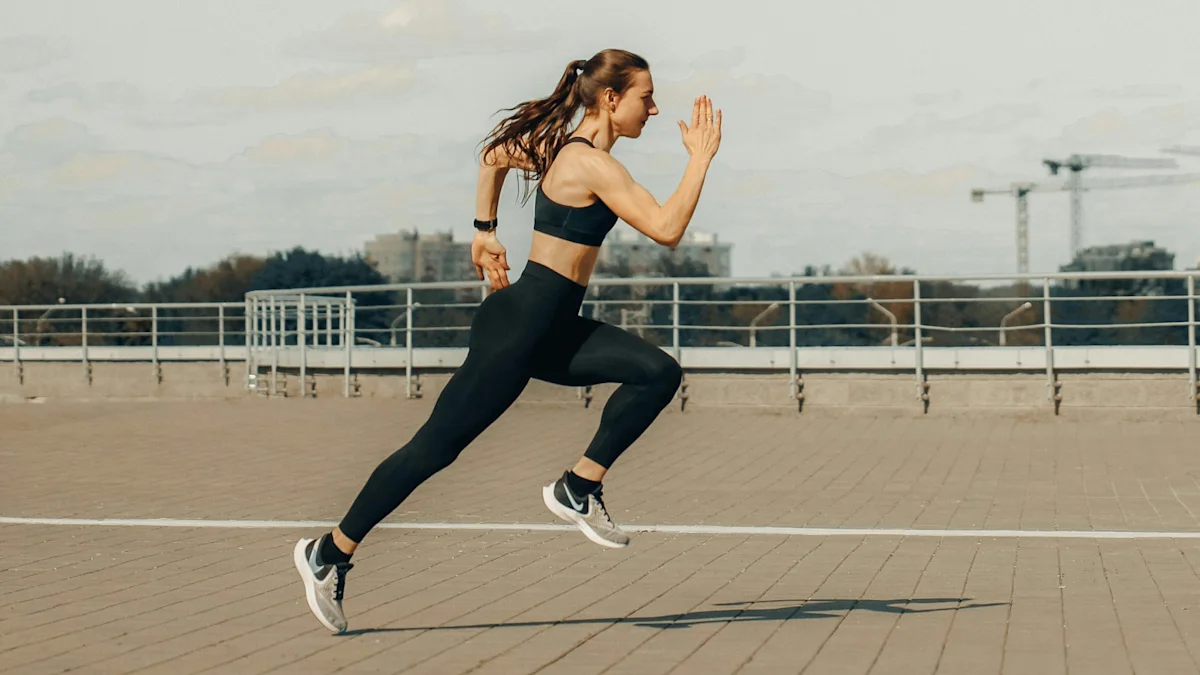
Yes. By increasing your core temperature and improving joint mobility before you start, dynamic stretching allows you to move with better technique and range of motion. This leads to greater power output, better agility, and a significantly lower risk of injury during your sport or training.
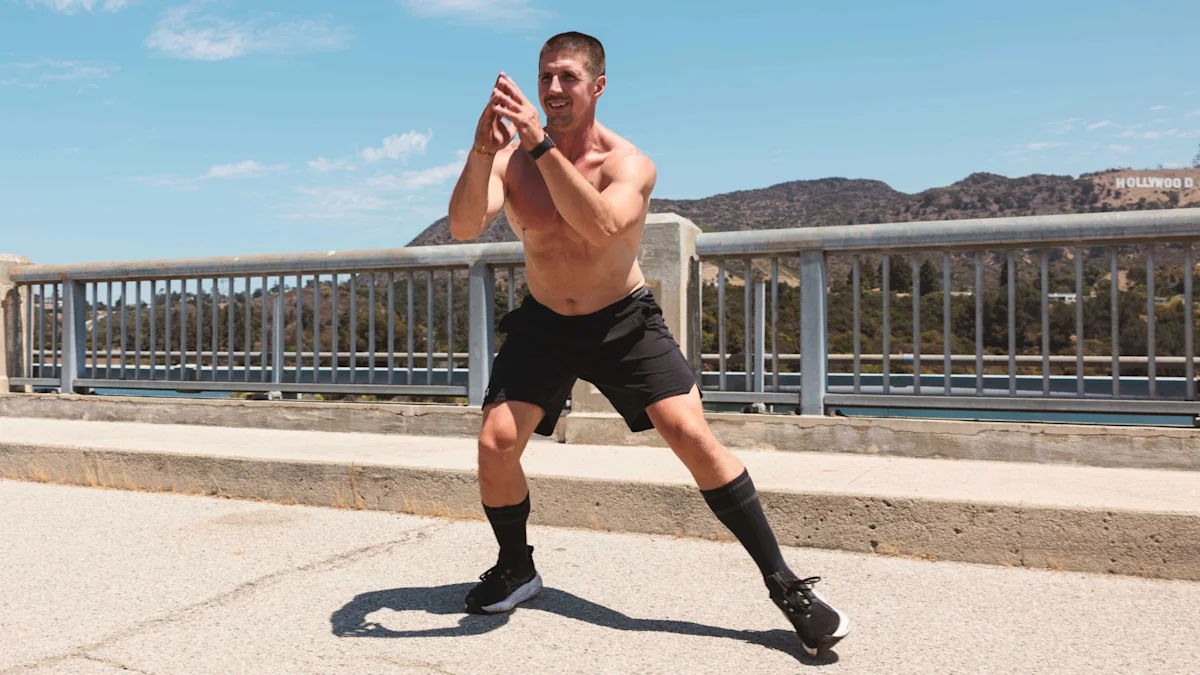
Some good full-body options include leg swings (forward/back and side-to-side), arm circles, torso twists, and walking lunges. Movements like the "Cat-Cow" stretch are also excellent for mobilizing the spine. These simple moves ensure your major joints are loose and ready for action.
Stories on